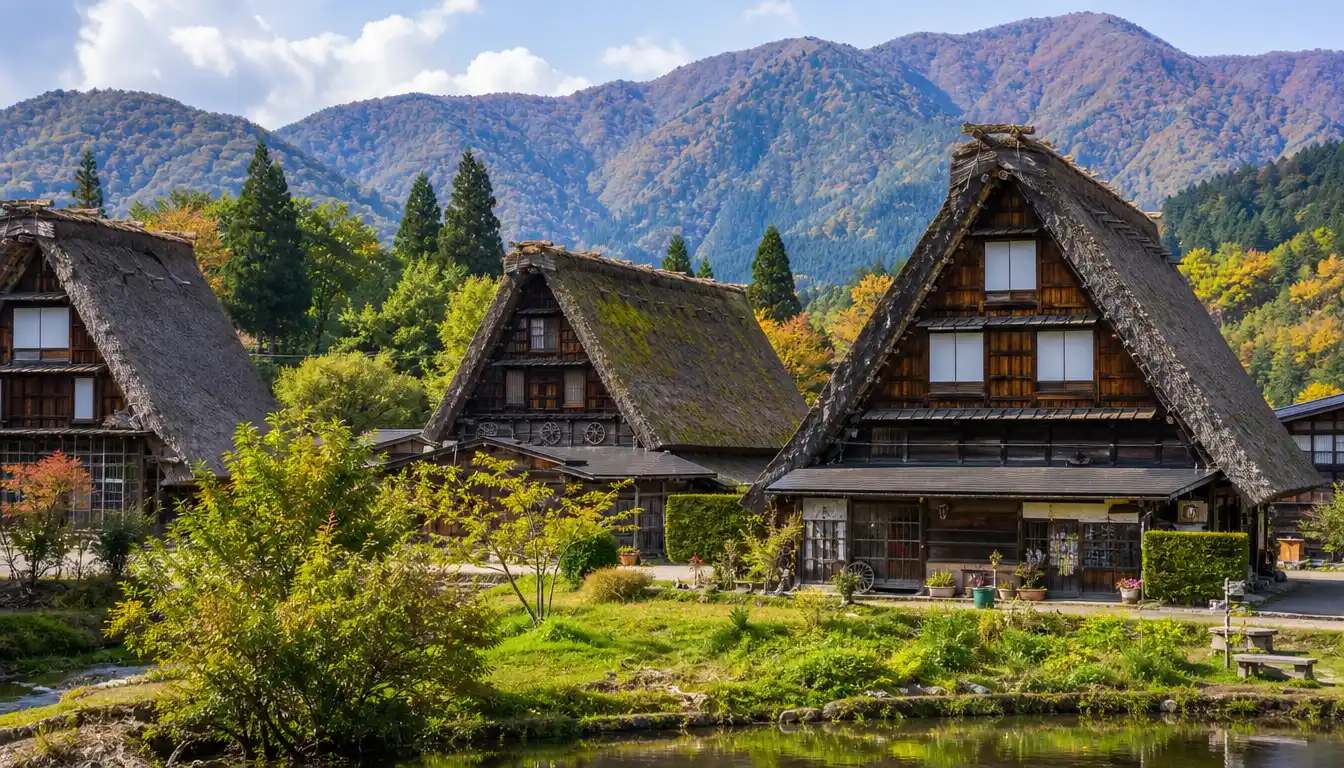
Gassho-Zukuri Farmhouses: Shirakawa-go Architecture and Museums
Explore Shirakawa-go's gassho zukuri farmhouses. Discover steep thatched roof architecture, open-air museums, historical …
Continue Reading →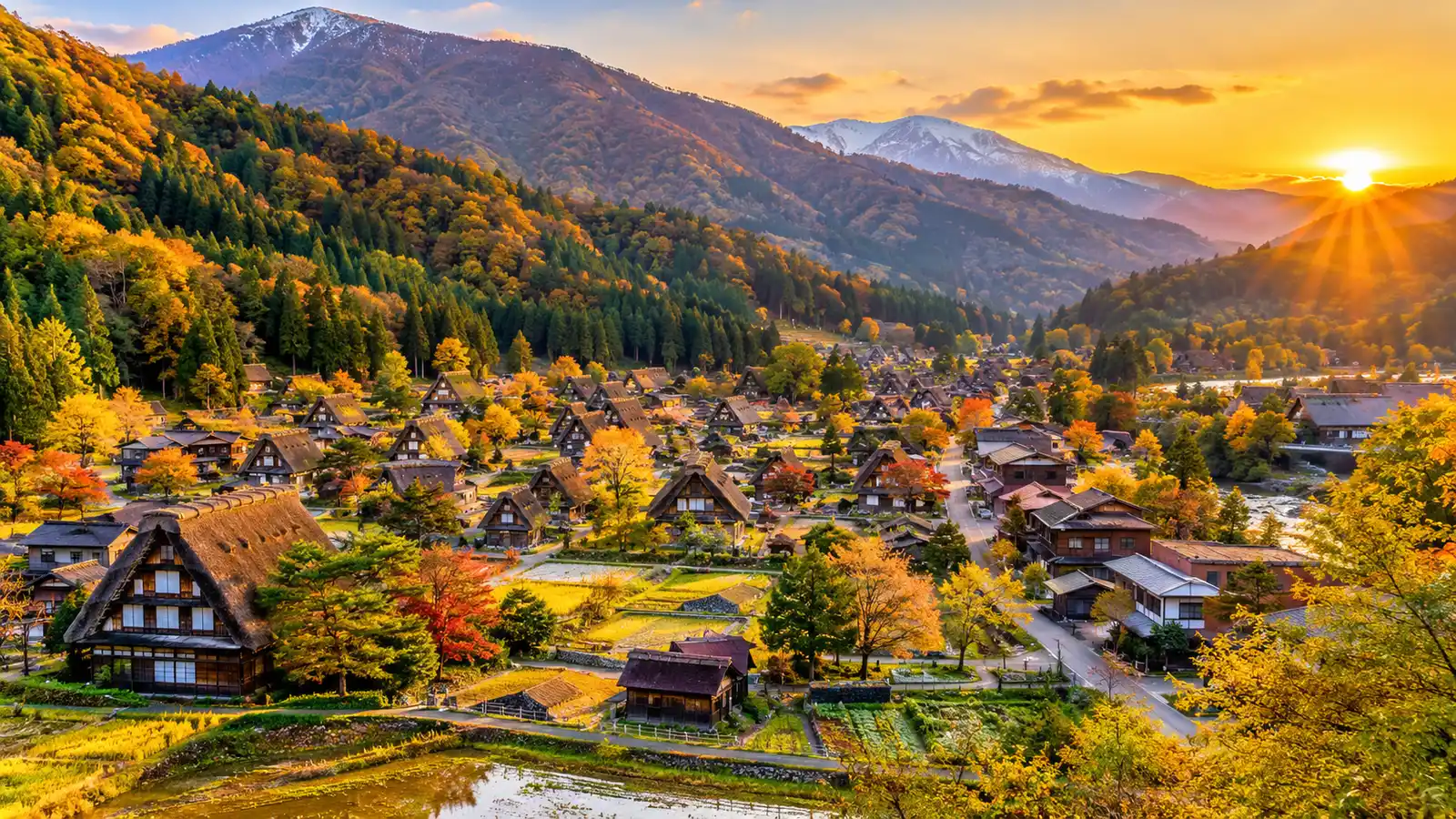
Tucked into the river valleys of Gifu Prefecture, the village of Shirakawa-go preserves centuries of rural mountain life beneath steep, thatched gassho-zukuri roofs.
Discover what makes shirakawa village unforgettable.
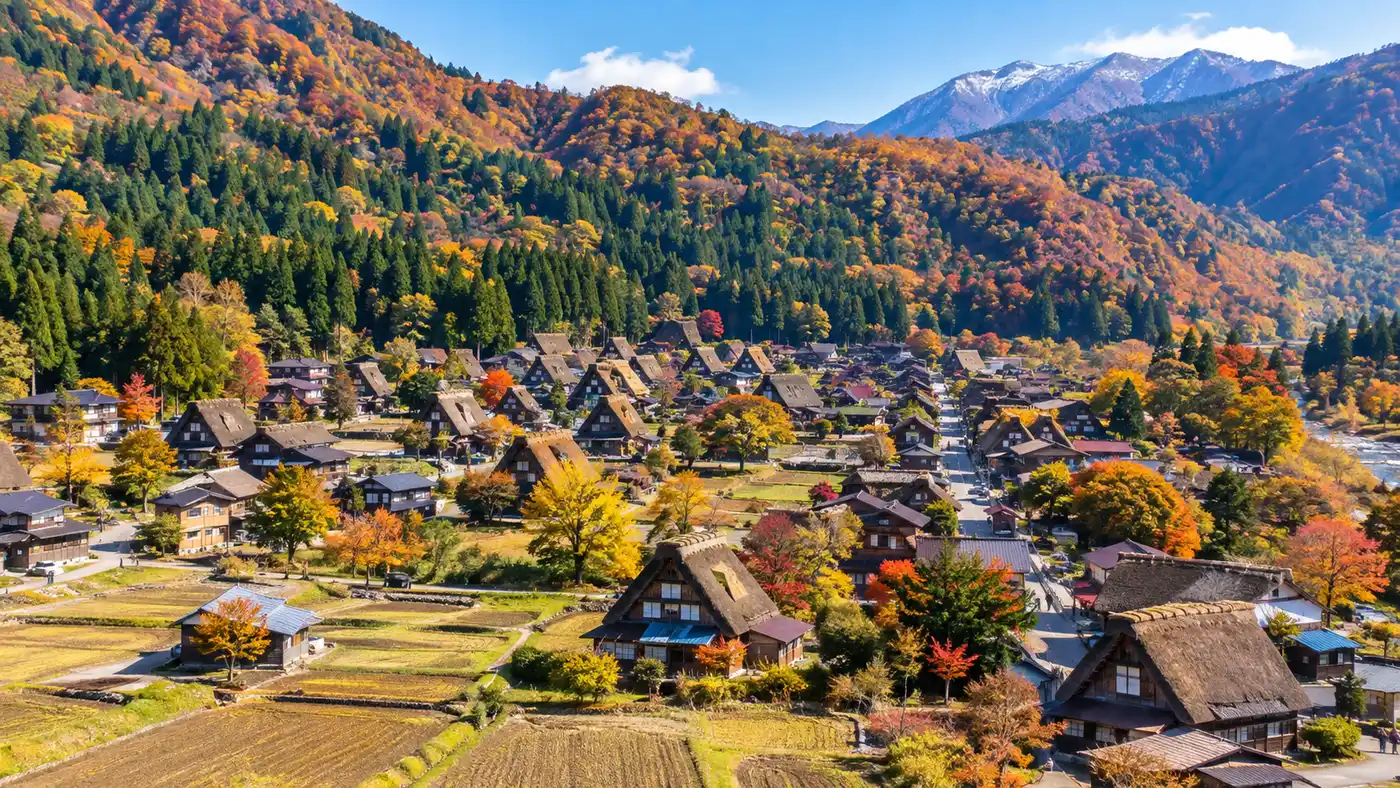
Highway buses run directly from Takayama in 50 minutes and Kanazawa in 75 minutes. The scenic route cuts through dramatic alpine tunnels right to the edge of Ogimachi.
Learn more →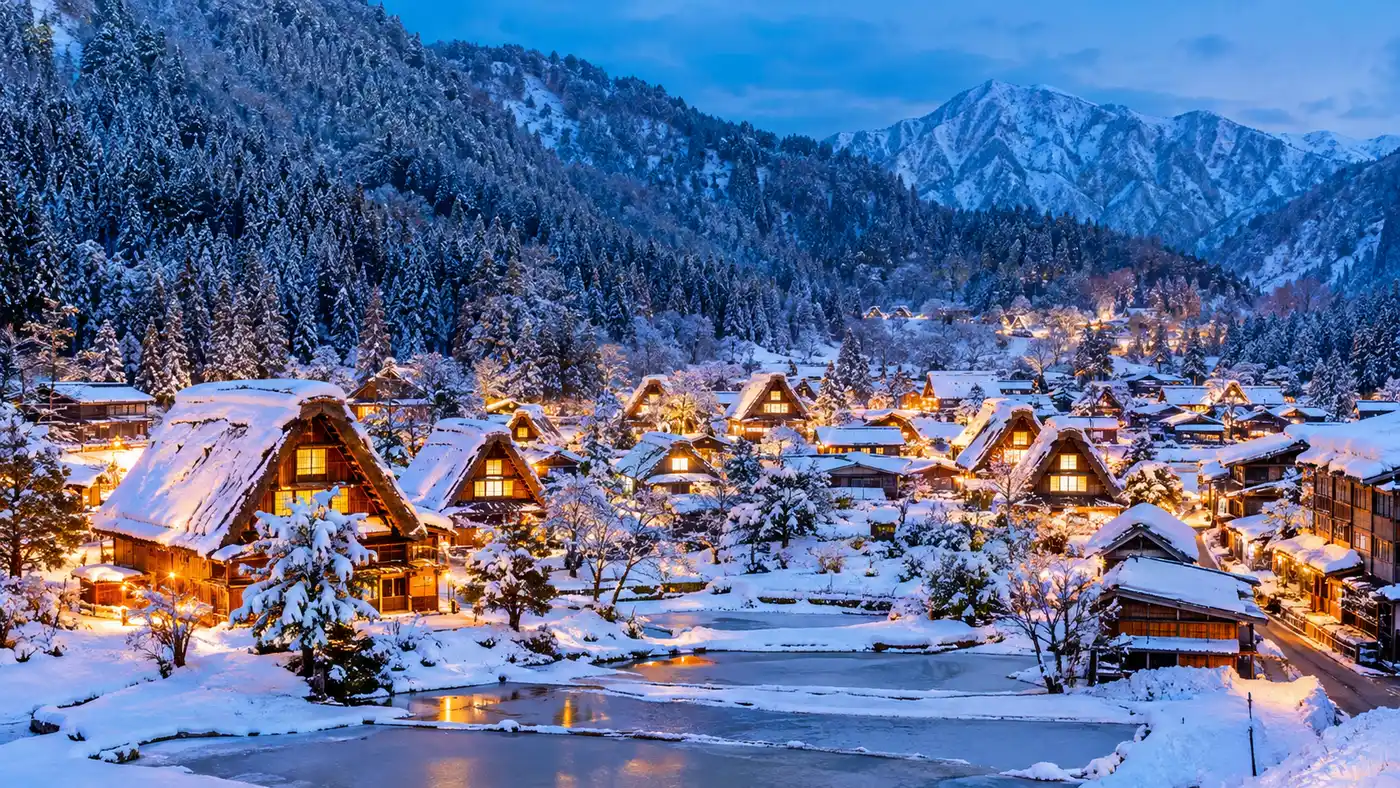
Snow blankets the roofs up to two meters deep between December and March. Summer brings emerald-green rice fields and cool mountain breezes that keep temperatures bearable.
Learn more →
Several historic houses open their upper attic lofts to guests, revealing massive cedar beam structures once used for silkworm cultivation. Local hearths still burn fragrant oak charcoal.
Learn more →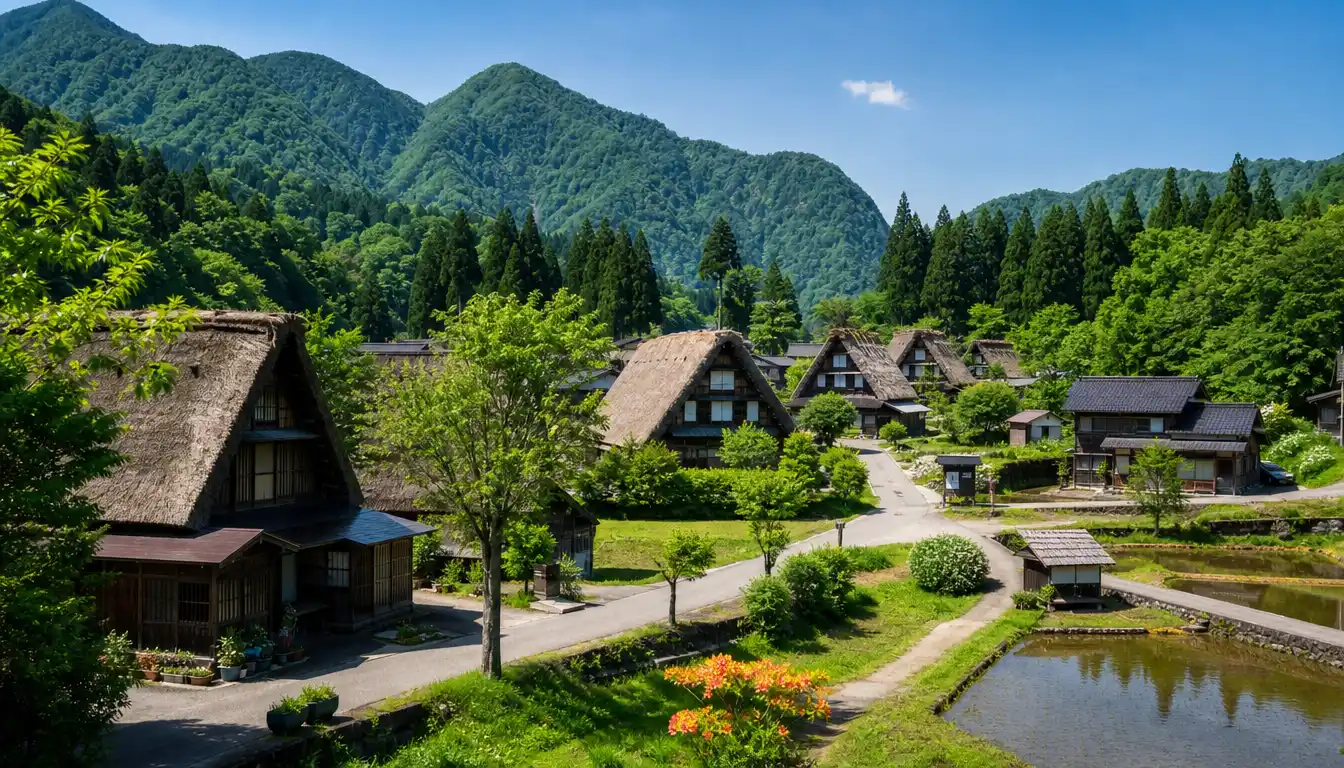
The neighboring hamlet of Ainokura sits just 35 minutes north across the Toyama border. It sees a fraction of the crowds and offers a much quieter slice of gassho life.
Learn more →What to expect from arrival to departure.
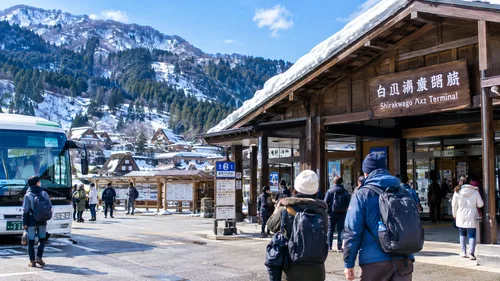
Drop heavy luggage at the terminal lockers before crossing the main roadway into the village.
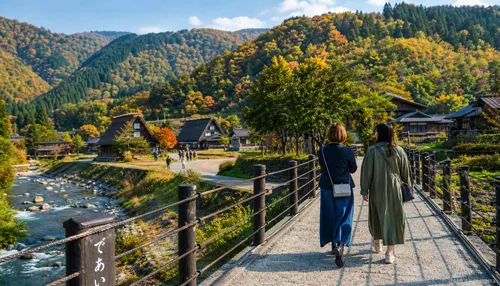
Walk the pedestrian suspension bridge over the Shogawa River, taking in views of the pine-covered peaks.
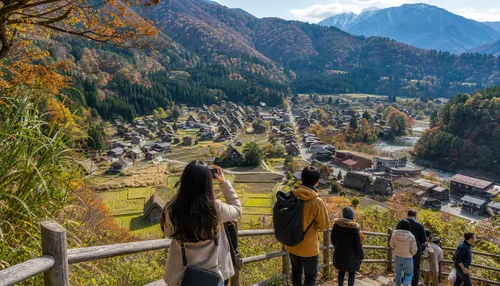
Take the uphill path or the small shuttle van up to the castle ruins for the classic panoramic postcard view.
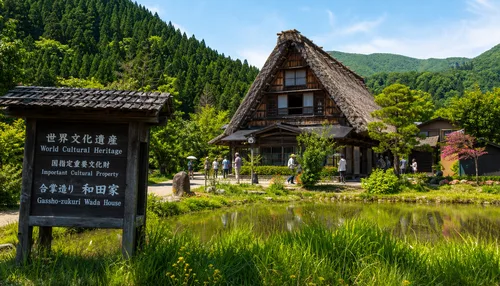
Head inside the largest farmhouse in Ogimachi to inspect the third-floor silkworm racks and raw timber rafters.
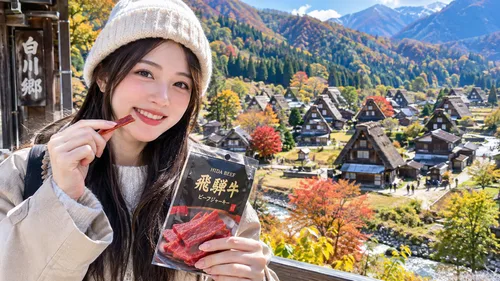
Pick up grilled beef skewers or warm gohei mochi rice cakes slathered in walnut miso along the main lane.
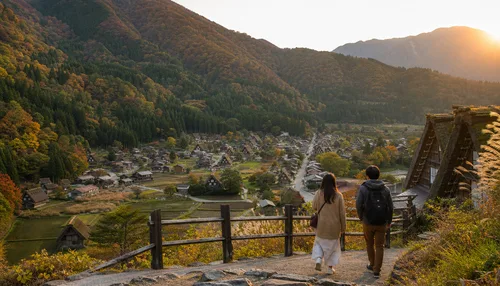
Catch your booked late-afternoon return bus back toward Takayama or Kanazawa as the valley shadows deepen.
Shirakawa village sits deep in the Shogawa river valley of Gifu Prefecture, surrounded by rugged mountain slopes that isolate the settlement for months each winter. The main settlement of Ogimachi contains over a hundred gassho-zukuri farmhouses, some built more than 250 years ago. Their timber frames were raised entirely without nails, joined with thick hemp ropes and topped with steep reed roofs pitched at 60-degree angles to shed heavy alpine snowfall.
While tour buses pour into the central parking lot by midday, early mornings here belong to mountain mist, cold cedar air, and the trickle of crystal-clear irrigation canals carrying meltwater along the footpaths. The community remains a living place where residents cultivate rice in narrow plots beside century-old homes, dry persimmons under wide timber eaves, and re-thatch roofs together through collective volunteer efforts known as yui.
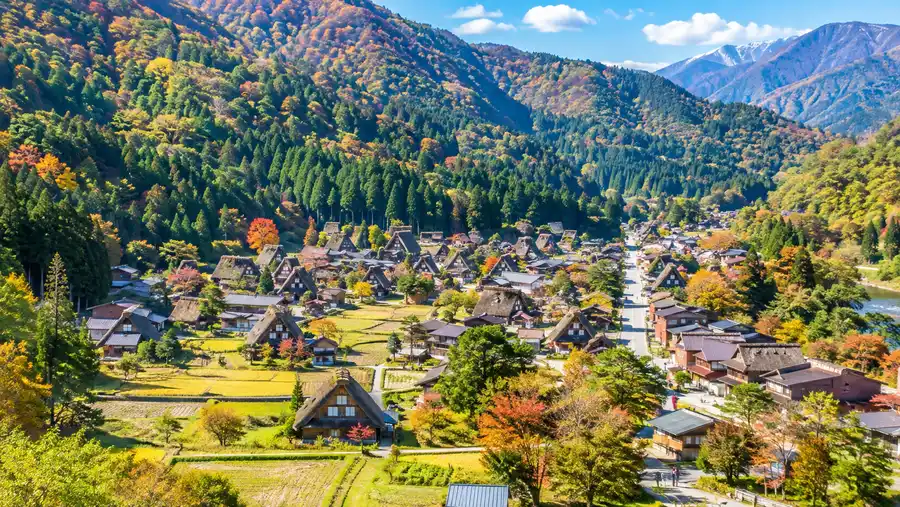
Catching the 7:50 AM bus from Takayama meant I had the entire village viewpoint to myself for half an hour before tour groups arrived.
The woodwork inside the attic of Wada House smells of sweet dried straw and old woodsmoke. Stepping inside felt like walking back two centuries.
Beautiful landscape, though the main lane got quite jammed around lunchtime. Duck into the dirt lanes near the river to find real peace.
The roasted walnut gohei mochi from the small wooden shack near the suspension bridge was easily the tastiest snack I had in Gifu.
Compare options and book directly below.
Unrestricted access to the roads, riverside trails, suspension bridge, and public hillside observation decks.
Entry to the ground-floor living quarters, historic lacquerware displays, and upper rafters of the village's head residence.
Access to 26 relocated gassho buildings, quiet garden paths, working soba workshops, and traditional craft displays.
Everything you need to know before visiting shirakawa village.
Hours: Open year-round (public village area has no set closing time, though typical visiting and parking hours are 8:00–17:00; individual historic houses and facilities typically open 9:00–17:00)
| Village Walking (Public paths only) | Free |
| Wada House Admission (Pay at entrance) | ¥400 |
| Gassho Open-Air Museum (Across the river) | ¥600 |
📍 Ogimachi, Shirakawa-mura, Ono-gun, Gifu 501-5627, Japan
See it before you go.
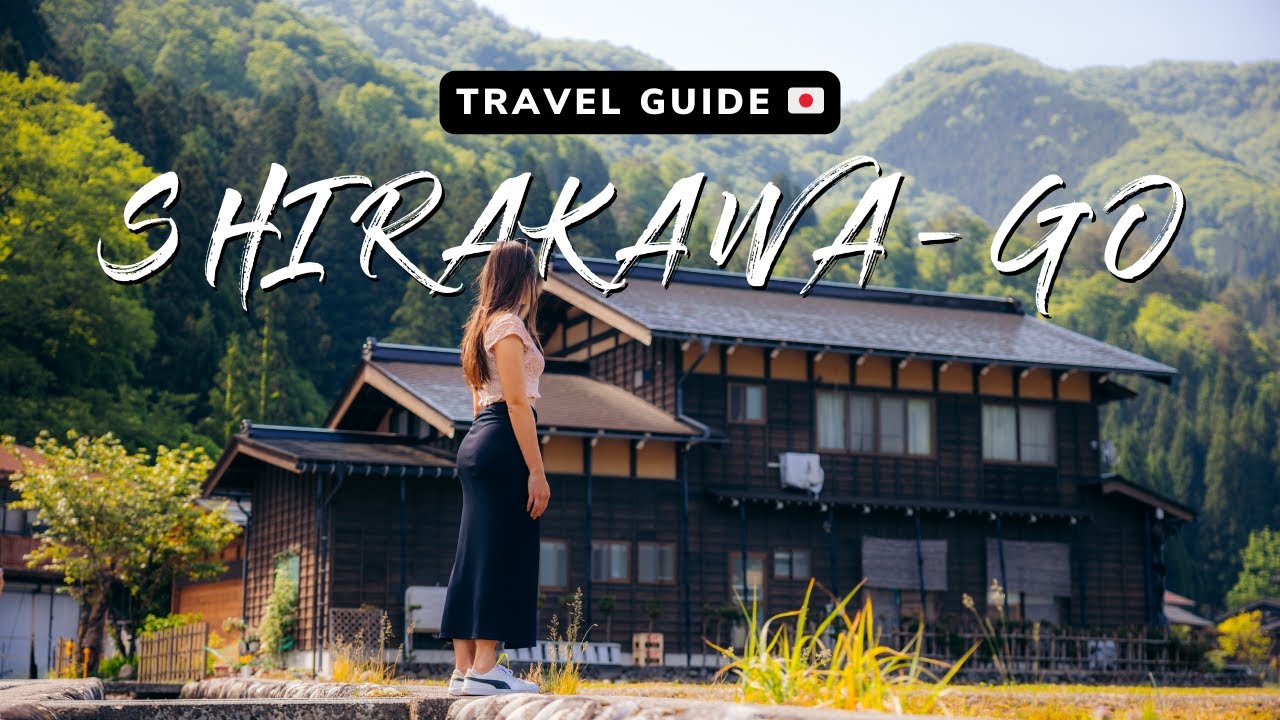
Worth combining with your shirakawa village visit.
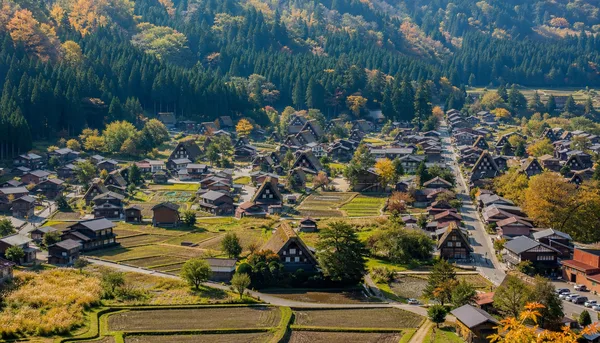
Historic hill overlooking the entire valley, giving you the classic angle seen in landscape photography.
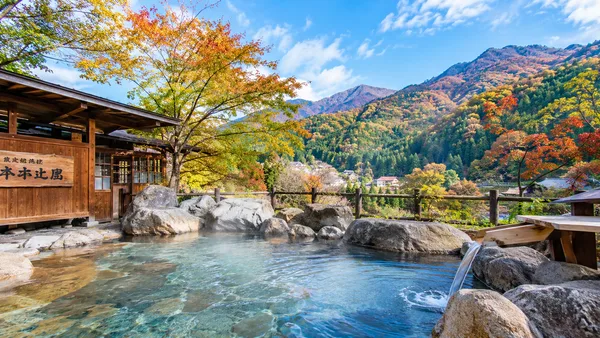
Natural hot spring bathhouse right on the edge of the village with outdoor tubs looking over the river rapids.
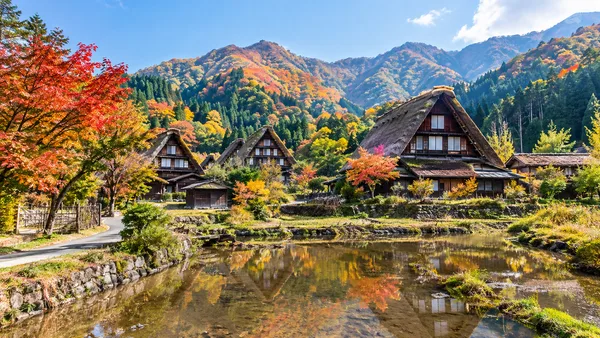
A much smaller, quiet companion village across the Toyama border with nine thatched houses and tiny craft stalls.
Shirakawa Village welcomes all visitors with accessibility features and family-friendly amenities.
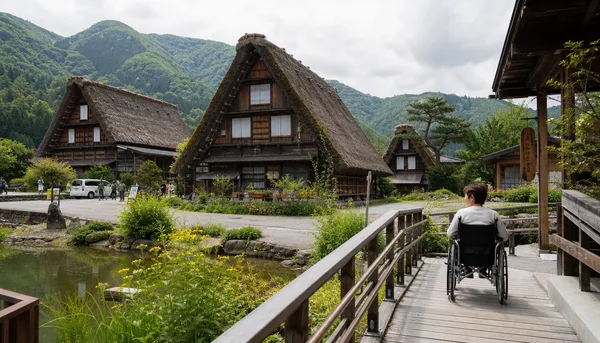
Free rental wheelchairs are available at the Shirakawago Bus Terminal and the Seseragi Park parking lot information center. Main village roads are paved and mostly level, but historic gassho-zukuri houses are not wheelchair accessible and prohibit wheelchairs inside.
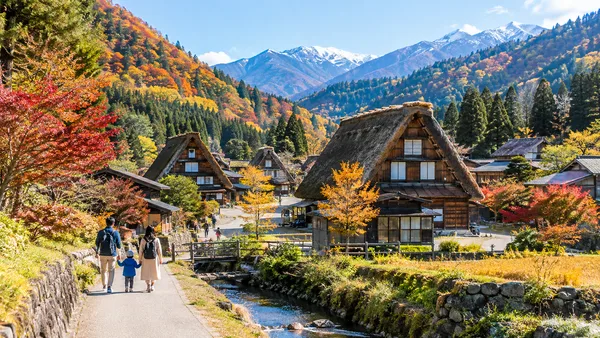
Strollers are manageable along paved main lanes and flat village streets, but cannot be brought inside the historic farmhouses. Strollers are difficult to navigate on gravel paths, snowy/icy winter terrain, and the steep walking trail to the viewpoint.
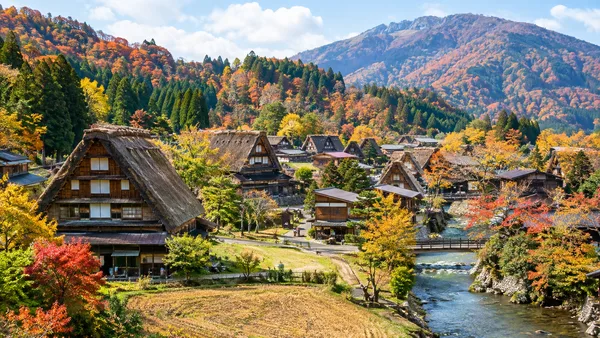
The central tourist office offers maps in English, Chinese, and Korean, while museum placards include reliable English summaries.
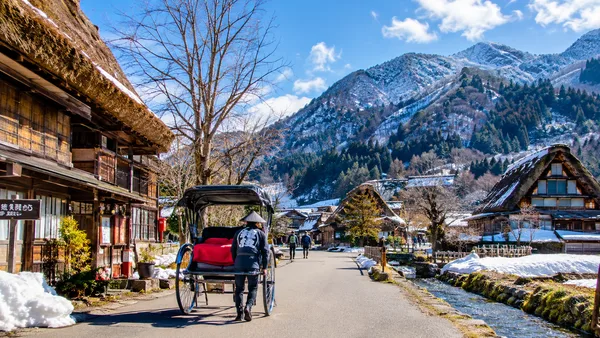
Ogimachi village is largely explored on foot. While main roads are relatively flat, there are no elevators; traditional farmhouses have narrow, steep wooden stairs to upper levels. Reaching the Shiroyama Viewpoint requires an uphill 15–20 minute walk or taking the public shuttle bus.
Dive deeper into shirakawa village.
Explore Shirakawa-go's gassho zukuri farmhouses. Discover steep thatched roof architecture, open-air museums, historical …
Continue Reading →
Complete guide to traveling from Tokyo to Shirakawa-go by train and bus. Compare Kanazawa and Takayama routes, bus …
Continue Reading →
Plan your trip to Shirakawa-go winter wonderland. Complete guide to snow season, lighting up events, lottery tickets, …
Continue Reading →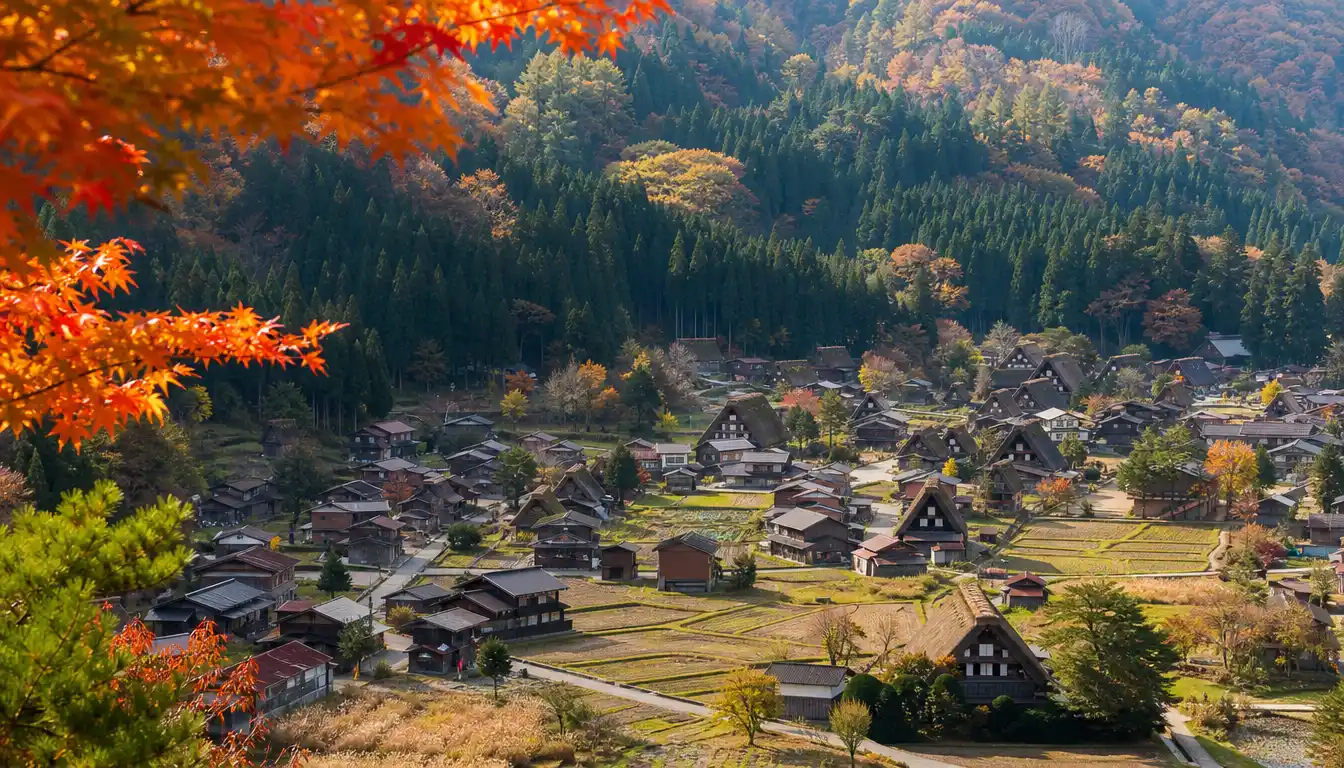
Plan your trip with our Shirakawa-go weather guide. Get live cam tips, autumn foliage dates, seasonal temperature …
Continue Reading →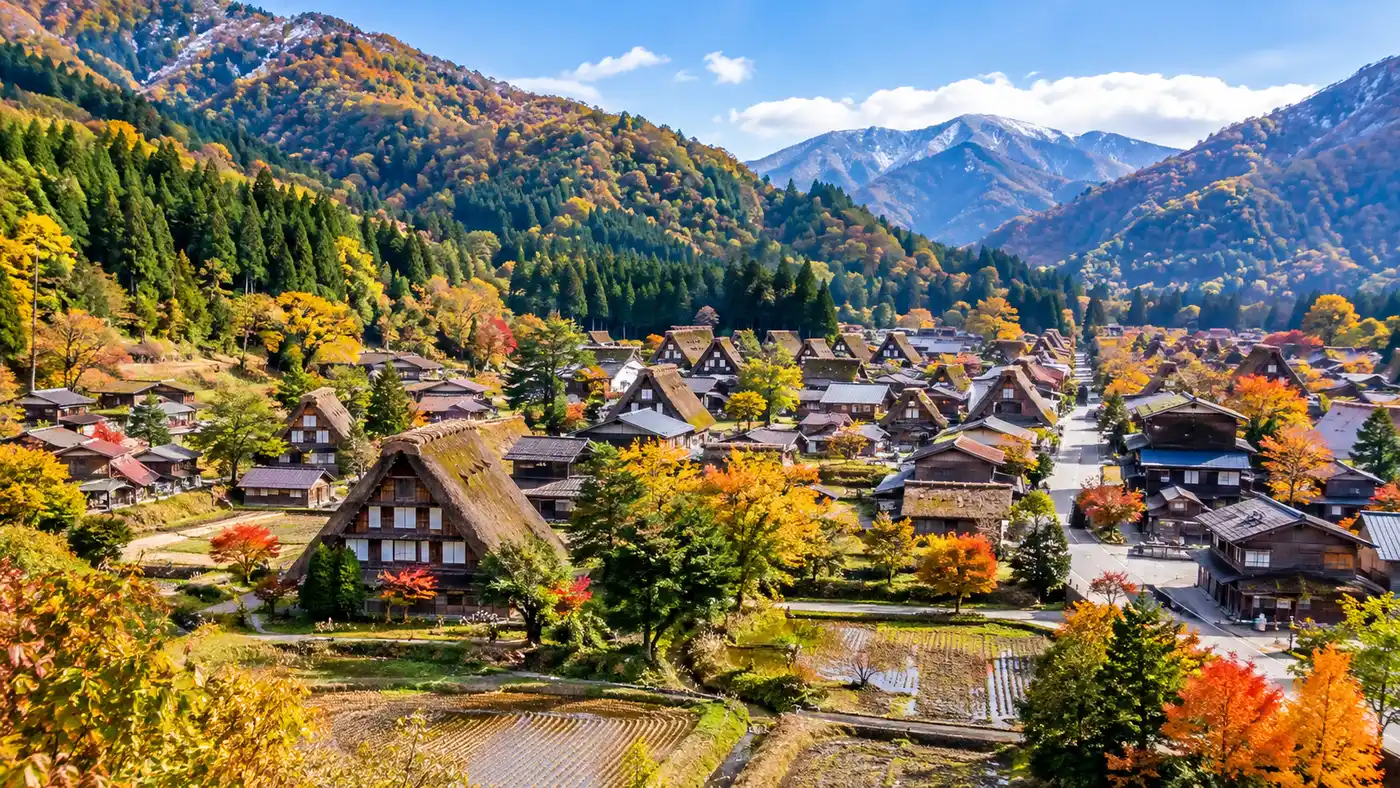
Discover the top things to do in Shirakawa-go and Ogimachi Village. Explore historic gassho farmhouses, scenic …
Continue Reading →
Discover Gokayama and Ainokura in the historic villages of shirakawa go and gokayama. Complete guide to thatched …
Continue Reading →Common questions about shirakawa village.
Walking through the village itself is completely free. You only pay if you enter preserved historic homes like Wada House or Nagase House, which charge between ¥300 and ¥600 per adult in cash at the door.
Yes, highly recommended. The highway buses operated by Nohi Bus from Takayama and Kanazawa frequently sell out days ahead, especially during peak autumn colors in late October and throughout winter.
Shirakawa-go has larger farmhouses and far more dining options, but it receives heavy tour crowds. Gokayama is smaller and more remote, making it better for travelers who prioritize absolute quiet over souvenir stalls.
Plan for three to four hours. That gives you enough time to walk the main path, visit two preserved farmhouse interiors, climb to the Shiroyama viewpoint, and have a bowl of local soba for lunch.
You can roll along the flat, paved outdoor lanes through Ogimachi without trouble. Historic farmhouse interiors, however, feature high wooden thresholds and steep stairways that cannot accommodate wheelchairs.
The village sits in Ono District in Gifu Prefecture. Because there is no train station in the valley, visitors ride the Shinkansen to Kanazawa, Toyama, or Nagoya, then take local express trains to Takayama before catching the final bus.
Yes. The Shirakawa-go Bus Terminal has coin-operated lockers, and the adjacent tourist info center provides a staffed baggage hold service for roughly ¥500 to ¥1,000 per bag when lockers fill up.
No. The entire historic village has a strict ban on recreational drones due to privacy laws and the catastrophic fire hazard that drones present to delicate reed and straw rooftops.
Check bus schedules, seasonal weather charts, and open-air museum details before setting off into the mountains of Gifu.