Things to Do in Shirakawa-go and Ogimachi Village
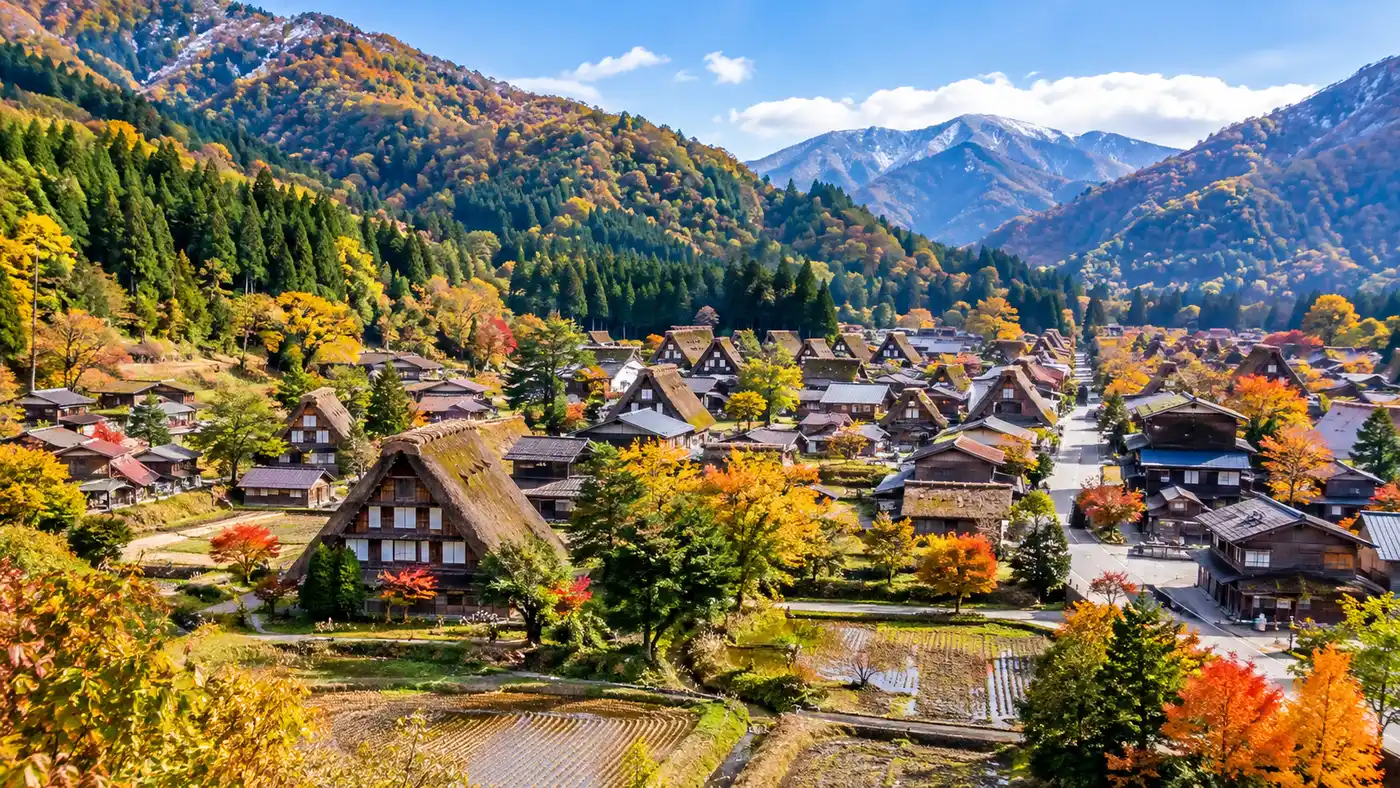
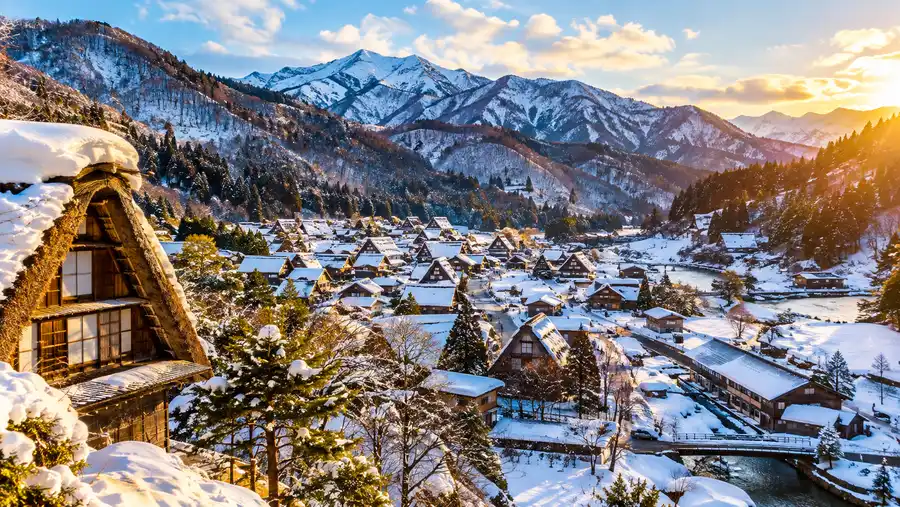
Most people arrive in Ogimachi by bus, step onto the gravel, and immediately freeze in their tracks. It looks like a folk tale set against steep green mountains, or a snow globe if you come in January. Finding the best things to do in shirakawago takes a little patience because the settlement is deceptively simple. There are no neon signs or turnstiles here. Just a cluster of heavy-timbered farmhouses, narrow irrigation channels full of mountain runoff, and winding footpaths that lead past vegetable plots.
Ogimachi village japan is the largest settlement in the historic Shirakawa-go region. It contains dozens of preserved gassho-zukuri farmhouses, some dating back more than 250 years. While day-trippers often rush through in two hours on a rigid tour schedule, staying longer lets you peel back layers of rural life that tourists on chartered buses miss completely. Here is how to spend your time exploring ogimachi village without feeling like you are just ticking boxes off a checklist.
Book your shirakawa village experience:
Stepping Inside the Farmhouses of Ogimachi Shirakawa
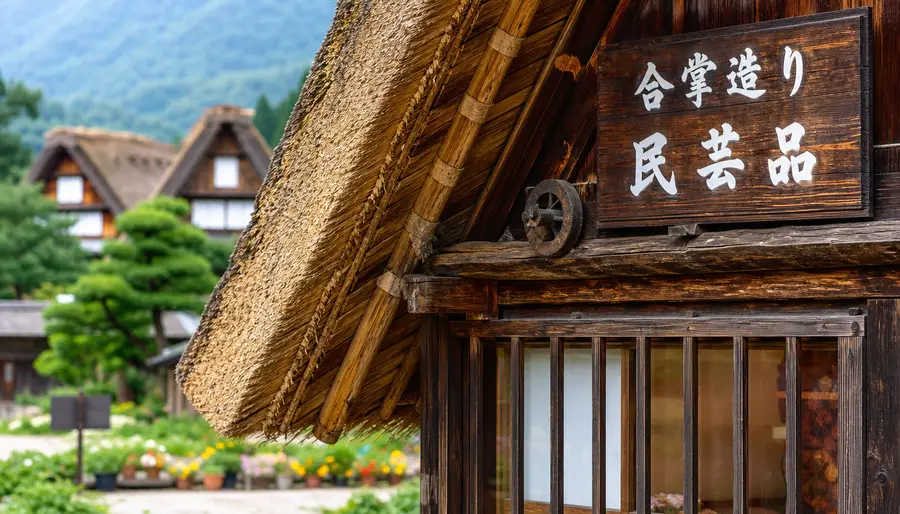
You cannot visit ogimachi japan without walking inside at least one gassho-zukuri home. These steep thatched roofs were designed to shed several meters of heavy winter snow, built entirely without metal nails. Heavy ropes and timber pegs hold the cedar frames together. Inside, the smell of woodsmoke clings to every beam, a lingering scent from the irori hearths that burned on the ground floor for centuries.
Wada House sits near the northern edge of the settlement. It is the largest residence here, built around 1800 for a family that made their fortune trading raw silk and saltpeter used in gunpowder. When you slip off your shoes at the entrance, you can climb steep wooden stairs into the third and fourth levels right under the thatch. The attic spaces were once bustling sericulture workshops where generations of farmers raised silkworms in the warmth rising from the hearth below. If you want to understand the construction methods in depth, our guide to gassho-zukuri farmhouses and architecture breaks down how these timber structures survived centuries of alpine weather.
A short walk south brings you to Kanda House. I think Kanda offers an even better interior experience than Wada because the family keeps a kettle steaming over the irori open hearth on the ground floor. The staff hands you a small cup of warm wild grass tea when you enter. As you climb toward the upper floors, look closely at the massive pine rafters. You can see how the wood was naturally curved before carpenters fitted it into the roof skeleton. Further down the path, Nagase House showcases an extensive collection of traditional tools, including wooden looms, medical instruments from the Edo period, and heavy winter snowshoes woven from straw.
| Farmhouse | Admission Fee | Opening Hours | Standout Feature |
|---|---|---|---|
| Wada House (Wada-ke) | 400 JPY | 9:00 AM - 5:00 PM | Largest house in the village, pristine original garden |
| Kanda House (Kanda-ke) | 400 JPY | 9:00 AM - 4:00 PM | Active hearth fire, complimentary roasted tea, four interior levels |
| Nagase House (Nagase-ke) | 400 JPY | 9:00 AM - 5:00 PM | Five stories tall, deep collection of antique farming and medical tools |
| Myozenji Museum | 400 JPY | 8:30 AM - 5:00 PM | Connected to a temple hall, unique thatched bell tower gate |
Pro tip: Visit Wada House right when the doors open at 9:00 AM. The tour groups rarely enter farmhouses before 10:30 AM, giving you the attic floors entirely to yourself for photos without crowds.
Climbing to Shiroyama Viewpoint and Ogimachi Castle Observation Deck
That classic postcard image of shirakawago ogimachi you see online is taken from high above the valley floor. The ruins of medieval Ogimachi Castle sit on a forested plateau north of the main road. Today, the spot is known as the ogimachi castle observation deck, or the shiroyama viewpoint shirakawago.
To reach it, you have two choices. You can hop on the shuttle bus that departs every 20 minutes from near the village center for 200 JPY each way. Or you can hike the paved walking trail behind Wada House. The walk takes roughly 17 minutes. It is moderately steep, winding through dense cedar and beech trees, but totally manageable if you have decent sneakers. Standing at the top on a clear morning, you see the entire village laid out in a clean line along the Shogawa River. The houses all face north and south, an intentional design choice by the original builders to minimize wind resistance and maximize sunlight on the thatch to dry it out after storms.
If you hike up in late afternoon, the crowds thin out considerably. By 4:15 PM, day-trip buses start loading passengers to head back to Takayama and Kanazawa. That quiet window just before dusk, when the valley falls into shadow and the village lampposts flicker on, is unforgettable. The viewing deck itself has a small souvenir shop and a noodle counter, though the view is the real reason you made the trek.
Walking Trails, Bridges, and Local Food
Pick up a paper shirakawa go village map at the tourist information center by the bus terminal before you start wandering blindly. Cell service in the valley can be patchy between timber buildings, and having the paper sheet in your pocket makes finding side paths effortless. Cross the Shogawa River on the Ogimachi Suspension Bridge, also called the Deai Bridge. It stretches 107 meters across clear water that turns milky turquoise during the spring snowmelt. Walking across concrete footings that sway slightly beneath your feet can be thrilling on windy mornings.
Once you are in ogi machi, take time to check out the small temple compound at Myozenji. Unlike standard Japanese temples with tiled roofs, Myozenji features a gassho-style residence attached directly to the main hall, alongside a thatched bell tower. It was founded in 1748. The cedar pillars inside have blackened from centuries of incense and charcoal smoke, creating an atmosphere that feels solemn and ancient.
You will definitely get hungry after three hours on foot. ogimachi village shirakawa go has plenty of casual food stalls tucked between rice paddies, serving regional specialties you will not find in major cities:
- Hida beef skewers: cooked to order over charcoal with sea salt, usually costing around 600 to 900 JPY per stick.
- Gohei mochi: skewered rice cakes pounded flat, roasted over an open grill, and coated in a thick, savory paste made of miso, sesame seeds, and crushed walnuts.
- Soba noodles: served cold with dipping sauce or hot in mountain vegetable broth at spots like Irori Restaurant.
- Tochi mochi: soft sweet rice dumplings flavored with wild horse chestnuts gathered in the local forests.
Note: Most snack stalls and cafes in the village do not take credit cards, and public garbage cans are practically nonexistent. Carry cash and keep a small plastic bag in your daypack to haul your trash back out.
Book your shirakawa village experience:
Soaking at Shirakawago Onsen and Exploring the Riverbank
Walking on packed gravel in cold weather leaves your feet tired and sore. Luckily, there is a hot spring located right at the edge of the historic settlement. shirakawa go no yu is an onsen hotel that also accepts day visitors for a small bathing fee of 700 JPY. It sits directly above the river, featuring indoor cedar tubs and an open-air bath surrounded by natural rocks.
Sitting in steaming mineral water at shirakawago no yu while gazing across the river at snowbanks or bright autumn leaves is one of the absolute best things to do in shirakawa. The thermal water contains mild sodium chloride, which softens the skin and warms you straight to the bone. You can rent a small towel at the front desk for 150 JPY if you forgot your own. Be aware that the day-use baths close occasionally for cleaning in the middle of the day, so check their entryway sign when you stroll past in the morning.
After your bath, follow the lower river path downstream. It runs parallel to the main street but sees a fraction of the foot traffic. Here you can watch local residents tending vegetable gardens framed by wooden fences, or clearing leaves out of stone water sluices that feed fresh river water through the village. You might even spot trout swimming against the brisk current in the drainage ditches beside the walking paths.
Organizing a Shirakawa Go Tour or Going Solo
Many travelers debate booking a guided shirakawa go tour versus taking public buses on their own. Both choices have real advantages depending on your schedule. If you have never been to central Japan, a guided bus day trip from Takayama takes the stress out of bus transfers and booking seats during peak foliage or winter seasons.
A self-guided visit lets you linger in quiet corners long after group itineraries have moved on to their next stop. If you decide to tackle ogimachi village japan independently, keep these practical points in mind:
- Advance bus reservations: reserve highway buses from Kanazawa or Takayama at least two weeks ahead, especially on weekends.
- Walking shoe choices: wear shoes with strong grip because wooden farmhouse floorboards are slick, and outdoor paths get muddy quickly.
- Luggage storage: drop rolling suitcases in coin lockers inside the Shirakawa-go Bus Terminal rather than dragging them across stone paths.
- Respecting private areas: stick strictly to marked dirt lanes, as many gassho homes are active private residences with family gardens.
If you visit during the coldest months of January or February, the village transforms into a dramatic alpine wonderland buried in two meters of powder. For exact winter logistics, lighting schedules, and safety tips, check out our detailed Shirakawa-go winter guide before packing your snow gear.
Frequently Asked Questions about things to do in shirakawago
How much time do you need to see Ogimachi village?
About three to four hours is plenty to tour two farmhouses, walk up to the observation deck, and enjoy a warm bowl of soba. If you plan to bathe at the onsen or photograph the valley during late afternoon golden hour, budget five to six hours.
Can you stay overnight inside a gassho-zukuri house?
Yes, several farmhouses operate as traditional minshuku guesthouses. You sleep on tatami mats, eat multi-course dinners cooked over charcoal irori hearths, and experience the village after all day-trippers have left. Rooms book up months in advance through the local tourist association.
Are credit cards accepted throughout Shirakawa-go?
Cash is still king here. While the main bus terminal and a handful of modern gift shops accept cards or digital passes, small entrance fees for historic houses, roadside snack counters, and farm museums require Japanese yen in cash.
Quick Reference
- Village access: highway bus from Takayama (50 mins) or Kanazawa (85 mins)
- Farmhouse entry fee: 400 JPY per house
- Shuttle to observation deck: 200 JPY each way
- Onsen day-use: 700 JPY at Shirakawa-go no Yu
Book your shirakawa village experience:
My Take
Ogimachi can easily feel like a living museum if you rush through behind a tour flag, snapping twenty photos of the same thatched eaves before boarding a highway coach. The magic shows up when you slow your pace. Walk through the damp pine forests behind the shrines, take your time studying the intricate roof joinery at Kanda House, and grab a quiet bench by the river with a hot skewer of Hida beef. Shirakawa-go is a functioning mountain community that survived centuries of brutal winters through cooperative grit, and stepping into that legacy is well worth the journey into Gifu's high country.
Read more about shirakawa village.